


Why Working with a Personal Trainer for Over 50's Is Nothing Like What You've Been Told
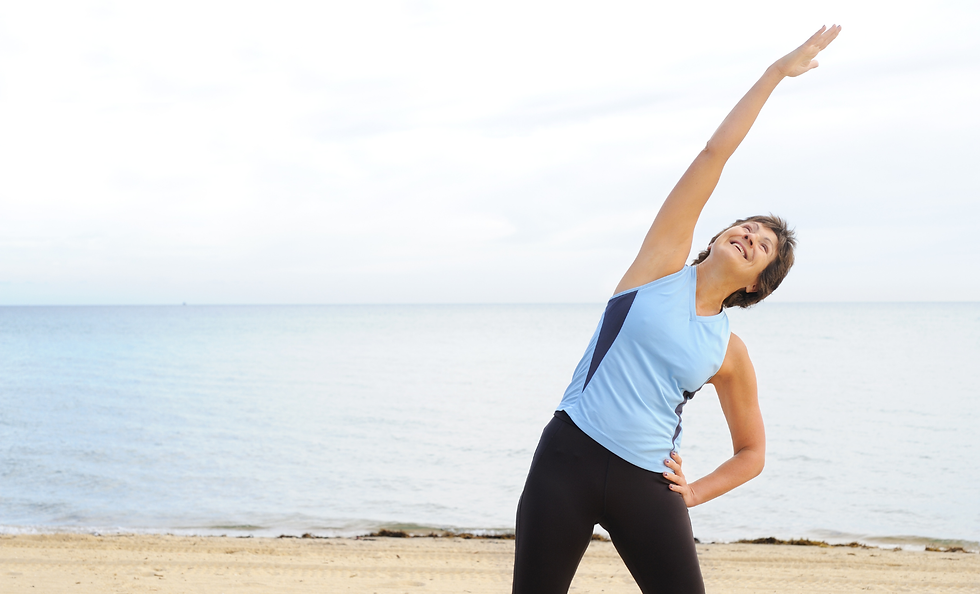
The fitness industry has a long history of offering the same solution to everyone. More reps, more resistance, more discipline. For many people in the Chicago area who come to Viva Elise after years of trying that approach, the experience was not that it did not work. It is that it never quite felt right for their bodies. By 50, your body has a history built from decades of movement patterns, injuries, and adaptations, and that history matters more than any generic program can account for. That is where working with a personal trainer for over 50's who actually understands it makes all the difference.
The Fitness Industry Was Not Designed with Your Body in Mind
Walk into most gyms in the North Shore and you will find programs designed around performance metrics. How much weight, how many sets, how fast. Those metrics were developed for a different population and a different goal. When people over 50 apply them to bodies that need something more nuanced, the result is often frustration, discomfort, or injury.
How the Body Actually Changes After 50 and Why That Matters for Training
After 50, several things shift that most fitness programs simply ignore. Muscle recovery takes longer. Connective tissue becomes less elastic. The nervous system requires more time to process new movement patterns. And years of repetitive postures create compensations that standard exercise can reinforce rather than resolve.
This is where somatic movement training changes the picture entirely. Rather than adding load on top of patterns that are already strained, the somatic approach starts by helping the body recognize and reorganize those patterns from the inside out. It is the foundation of how Elise works with every client at Viva Elise, and it is what makes the difference between training that exhausts the body and training that supports it.
The Difference Between Pushing Through and Moving with Intelligence
There is a cultural story that says fitness is supposed to be hard, that discomfort means progress, and that if something hurts you should push past it. For people over 50, that story can cause real harm. Joints that are already managing wear and nervous systems running on stress do not respond well to being pushed harder. They respond to being listened to.
Moving with intelligence means understanding why a movement is difficult before deciding how to progress it. It means using corrective exercise not as a rehabilitation tool reserved for injury, but as an ongoing practice that keeps the body organized and resilient. These results do not come from adding more intensity. They come from working with the body rather than against it.

Why Coordination and Body Awareness Come Before Strength
When someone over 50 comes to Viva Elise for the first time, they are not just asked about what they want to achieve but we also investigate how they currently move. Elise conducts a movement evaluation before designing any program, because strength built on top of poor coordination creates more problems than it solves. This matters especially in the context of active aging in the Chicago area, where the goal is to maintain the physical capability that lets people do what they love for as long as possible.
Here is what that foundation typically includes in the early stages of working together
• Movement screening to identify compensations and imbalances that standard programs would overlook
• Breath work to reset the nervous system and improve postural support before any loading begins
• Coordination and balance drills that train the body to respond, not just perform
• Body awareness practices drawn from somatic training that help the client understand what they are feeling and why
The Role of the Whole Person in Any Fitness Plan That Actually Lasts
Physical training does not happen in isolation. Sleep, stress, nutrition, and emotional wellbeing all influence how the body responds to exercise. This is something that a wellness coach in Chicago understands in a way that a standard personal trainer may not. Elise holds certifications in both areas, which means that at Viva Elise the conversation about movement always happens alongside a conversation about the rest of life, not as an add-on, but as a genuine part of how the program is built.
What that looks like in practice varies from person to person, but some common threads tend to appear
• Adjusting session intensity based on energy and recovery, not a fixed schedule
• Connecting physical patterns to stress-related holding in the body
• Exploring how daily movement habits outside sessions can reinforce or undermine the work being done
Ready to Work with a personal trainer for over 50's Who Understands Your Body?
If you are in the Chicago area or on the North Shore and have been looking for a personal trainer for over 50's who approaches movement with the depth it deserves, we would love to hear from you.
You can learn more about our approach to training for adults over 50, explore what working one-on-one with Elise looks like, or go straight to getting started.


Comments